Few independents covering this yet — worth a closer look.
Summary
how Dalits have formed parties but have remained restricted to the particular Dalit populations and why to your understanding, Deepke presents a different opportunity in this regard?
From the report
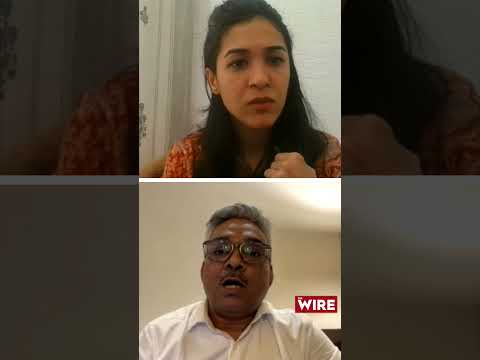
how Dalits have formed parties but have remained restricted to the particular Dalit populations and why to your understanding, Deepke presents a different opportunity in this regard? Right. Now, of course, what you have suggested is absolutely right that this is kind of a radical rupture. Why I am saying that? Why? Because for a very long time, whenever you find a Dalit political organization or any political organization led by Dalits, it is often imagine that it will mainly work for the Dalit cause. That stereotype, that particular examination of any political party on this particular basis, that if the leader or the originator of that particular party is a Dalit person, then it will surely work only for the interest of the Dalits. This stereotype was very crucial. And as you already mentioned, that article also mentioned that somewhere, though Ambedkar never thought himself only as a leader of the Dalits, but he often promoted himself as the imaginary person about, or a person who can imagine about India's future. That kind of a potential he had. But even such kind of a very, very important nation builder, a person who crafted the imagination of modern India, even such person is often relegated as what you call a Dalit leader. So, of course, those kind of a crisis were always there. And you are rightly put on that somewhere. even after Ambedkar, the major four …
Lead take from The Wire · always check the original on YouTube
1 independents covering this
Summary
how Dalits have formed parties but have remained restricted to the particular Dalit populations and why to your understanding, Deepke presents a different opportunity in this regard?
“This stereotype was very crucial.”From the report
how Dalits have formed parties but have remained restricted to the particular Dalit populations and why to your understanding, Deepke presents a different opportunity in this regard? Right. Now, of course, what you have suggested is absolutely right that this is kind of a radical rupture. Why I am saying that? Why? Because for a very long time, whenever you find a Dalit political organization or any political organization led by Dalits, it is often imagine that it will mainly work for the Dalit cause. That stereotype, that particular examination of any political party on this particular basis, that if the leader or the originator of that particular party is a Dalit person, then it will surely work only for the interest of the Dalits. This stereotype was very crucial. And as you already mentioned, that article also mentioned that somewhere, though Ambedkar never thought himself only as a leader of the Dalits, but he often promoted himself as the imaginary person about, or a person who can imagine about India's future. That kind of a potential he had. But even such kind of a very, very important nation builder, a person who crafted the imagination of modern India, even such person is often relegated as what you call a Dalit leader. So, of course, those kind of a crisis were always there. And you are rightly put on that somewhere. even after Ambedkar, the major four …
Watch the original on YouTube — we don't rehost full video.